

Minimizing Wildlife Interactions
Living With Wildlife
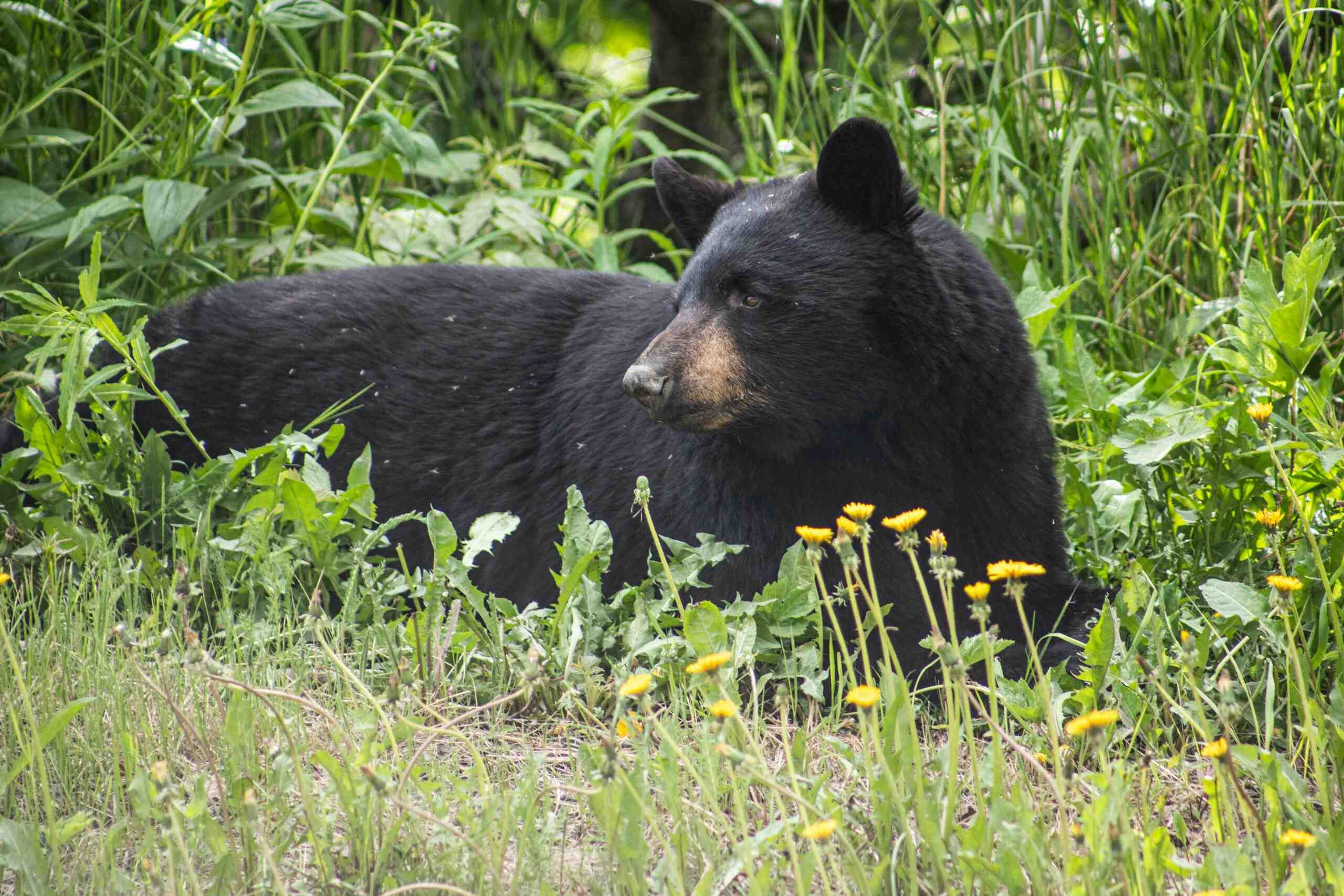
Living in the District of Tofino means sharing our natural surroundings with diverse wildlife, including bears, cougars, & wolves. While these animals are integral to our ecosystem, it is crucial to minimize interactions to ensure both human safety and wildlife conservation.
The District of Tofino's Wildlife Attractant Bylaw aims to prevent garbage and other materials from becoming wildlife attractants.
This page provides residents & businesses with essential information and tips on coexisting peacefully with our wildlife neighbours.
On This Page:
- Tips to Reduce Interactions with Wildlife
- Video: How to Secure & Store Your Wildlife-Resistant Container
- Frequently Asked Questions
Tips To Reduce Interactions With Wildlife
The following are requirements of residents & businesses based on the Wildlife Attractant Bylaw, which will help to minimize human-wildlife interactions.
Every resident must adhere to the following requirements regarding the use & storage of Wildlife Resistant Containers, as outlined in the Wildlife Attractant Bylaw.
- Set out containers for collection on the designated day between 6 & 8 AM.
- Only leave containers unlocked on the designated collection day between 6 AM & 10 PM.
- Remove containers from the collection location by 10 PM on the designated collection day.
- Keep containers locked and secured at all times (except on designated collection days between 6 AM & 10 PM) to prevent wildlife from dragging or moving the container.
- Keep any Wildlife Resistant Enclosures closed & locked when refuse is not being deposited or emptied.
- If the cart is damaged, contact the ACRD Sort'nGo program immediately for repairs.
- If a Wildlife Resistant Enclosure is damaged, it must be repaired within 5 business days of the damage or within 5 business days of notification.
Learn how to properly secure your carts by watching the video below or reviewing this document.
WildSafeBC Pacific Rim has provided the District with free supports for residents:
- Free stainless steel carabiners are available at the District of Tofino Municipal Office. These replace older versions that some bears learned how to open.
- Anchoring material gift cards for Windsor Plywood, available at the Municipal Office
- Electric fencing subsidies and installation support for wildlife attractants
Contact WildsafeBC Pacific Rim
Video: How To Secure & Store Your Wildlife Resistant Container
Frequently Asked Questions
"Wildlife Attractant" means any substance or material, with or without an odour, which attracts or is likely to attract Dangerous Wildlife or Deer; which includes:
(a) food or other ingestible products, whether intended for humans, animals, or birds;
(b) grease, oil, antifreeze, paint, unclean barbecues, pet food, livestock and livestock feed;
(c) beehives, bird feeders, offal, improperly maintained composts, restaurant grease barrels; and
(d) fruit - in containers or fallen from trees.
Contact
Report wildlife sightings and/or interactions to the BC Conservation Officer Service.
1-877-952-7277 (RAPP)
District of Tofino Bylaw Department
250-266-1674 (On Duty)
Email